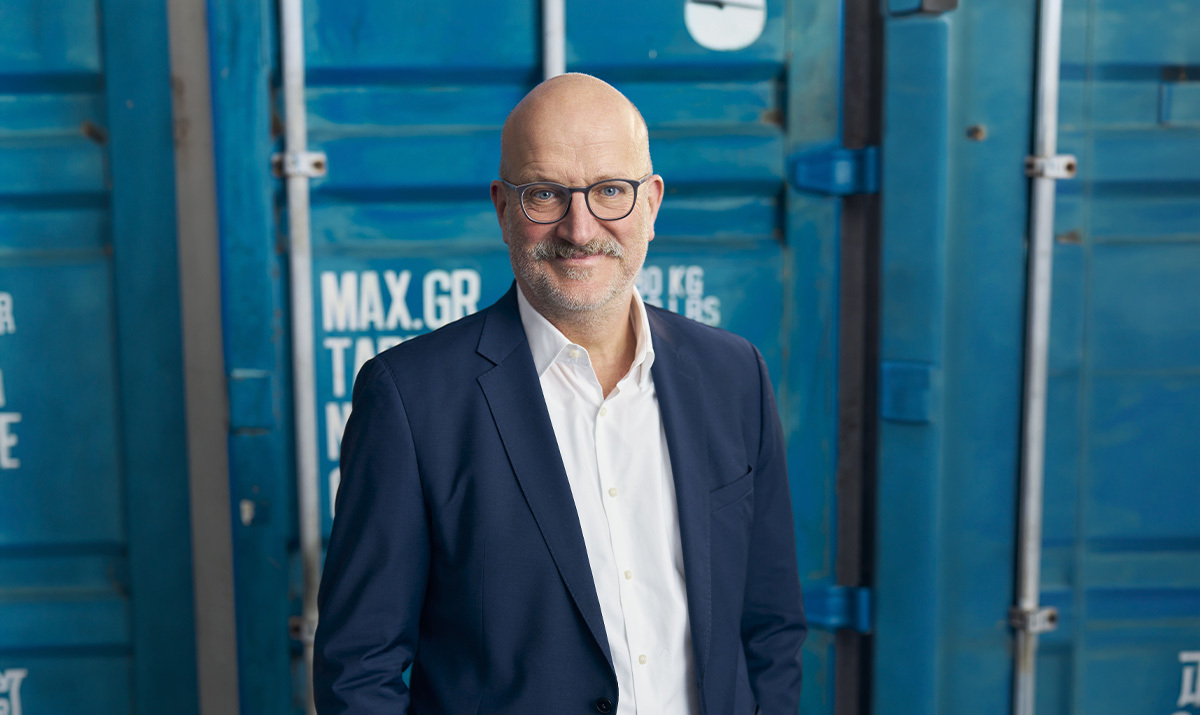
An interview with Claus Ulrich Selbach, Vice President of Exhibitions Maritime & Energy, Hamburg Messe und Congress
SMM has long been considered one of the leading global maritime exhibitions. What, in your opinion, keeps it relevant in such a rapidly changing industry?
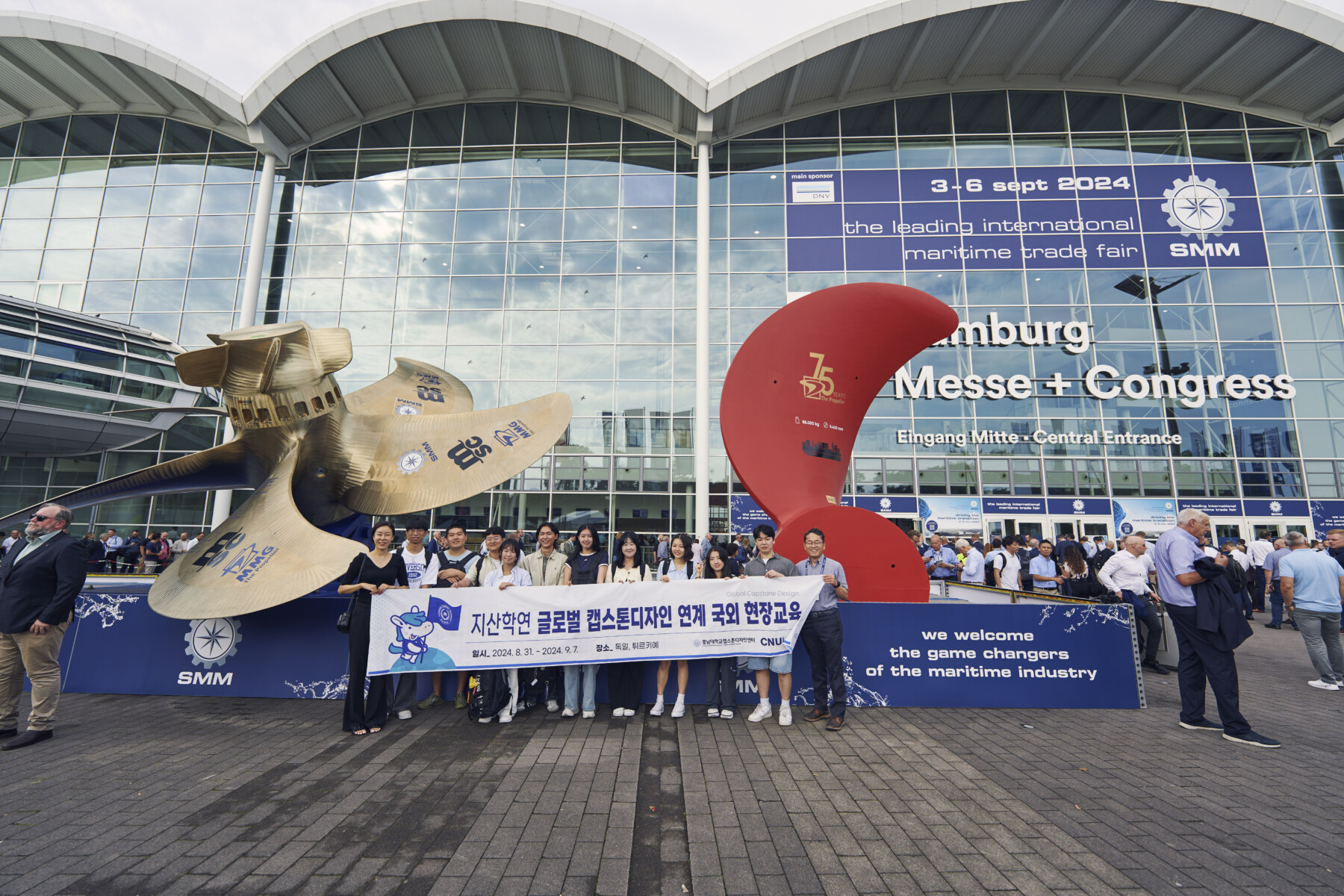
SMM has long been recognised as a premier international maritime event. While it is larger and more international in scope than Posidonia, both exhibitions are complementary to one another.
To address your question, SMM’s growth began in the 1960s, driven by the strength of the German shipbuilding industry at the time. Although the majority of those shipyards have since closed—with the exception of some highly resilient family businesses and the naval sector—SMM remains the premier exhibition for the shipbuilding industry. This demonstrates that being located in a dominant market is not the only factor for success; rather, it is about staying ahead of the curve.
We strive to stay half a step ahead of our customers in terms of innovation and forward-thinking ideas, and I believe we have succeeded. For instance, in 2016, we dedicated an entire hall exclusively to green propulsion—a move that was truly ahead of its time. We have maintained this momentum with digitalisation, nuclear propulsion, and other emerging technologies. Ultimately, our strategy is to constantly anticipate the industry’s needs in order to provide the best possible support.
What are the biggest themes shaping this year’s SMM edition?
I would point to technology and innovation as the primary drivers. I firmly believe that if the shipping industry is to reach its 2050 net-zero goals, it will require a diverse mix of technologies and fuels. There is no one-size-fits-all solution; we cannot simply declare that methanol or ammonia will be the sole answer. This is precisely why, in 2024, we introduced sessions dedicated to nuclear energy in shipbuilding. In the shipping world, you must remain open-minded and receptive to all forms of innovation and emerging technologies. Furthermore, I believe greater global cooperation is essential, which is a major reason why we are seeing such a significant influx of Asian companies and visitors to Hamburg.
If you had to choose a title that sums up the exhibition, what would it be?
When Bill Clinton ran for the US presidency in 1992, his famous campaign slogan was: “It’s the economy, stupid”. Today, I would say: “it’s the technology, stupid”—meaning that without constant technological advancement, progress is impossible.
I am very pleased that the Secretary-General of the International Maritime Organization (IMO), Arsenio Dominguez, will once again be opening SMM, and that representatives from the European Commission will also be in attendance. In contrast to previous years, the influence of geopolitics on our industry is far more pronounced. We are, therefore, delighted to welcome diplomats and senior government officials, as it is vital for the global community to realise that “no shipping equals no shopping”. While we hope for continued stability, such as the Strait of Hormuz remaining open until September, the shipping industry has proven its resilience time and again. It has always survived and prevailed, and I remain very optimistic about the future.
How has the profile of exhibitors and visitors evolved over the past few years?
We are seeing a shift toward a more international profile, with approximately 70% of our exhibitors now coming from outside of Germany. Notably, there is a higher concentration of decision-makers. When the pandemic began, there was a widespread belief that the industry would permanently shift toward hybrid models. However, we have found that exhibitors and visitors alike crave face-to-face interaction.
There is a unique energy to SMM; because it takes place immediately after the summer break, it feels like a homecoming—a campfire where peers and partners gather to reconnect. Beyond the camaraderie, there is a clear business advantage. SMM is a remarkably sustainable way to conduct business; by bringing 150,000 individuals together in Hamburg over four days, it allows participants to accomplish what would otherwise require four months of global travel. In effect, an entire quarter’s worth of business development can be compressed into a single week.
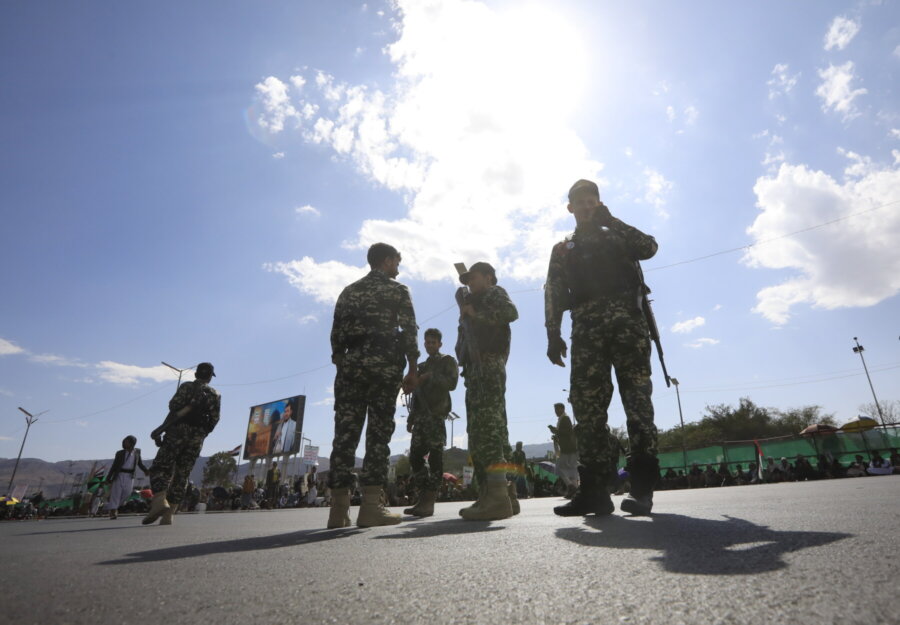
Ηχηρή…προειδοποίηση των Χούθι στις ΗΠΑ
Οι Χούθι της Υεμένης θα πλήξουν τα αμερικανικά συμφέροντα στην περιοχή στην περίπτωση στήριξης των ΗΠΑ στη Σαουδική Αραβία ή στρατιωτικής επέμβασης στο Στενό…
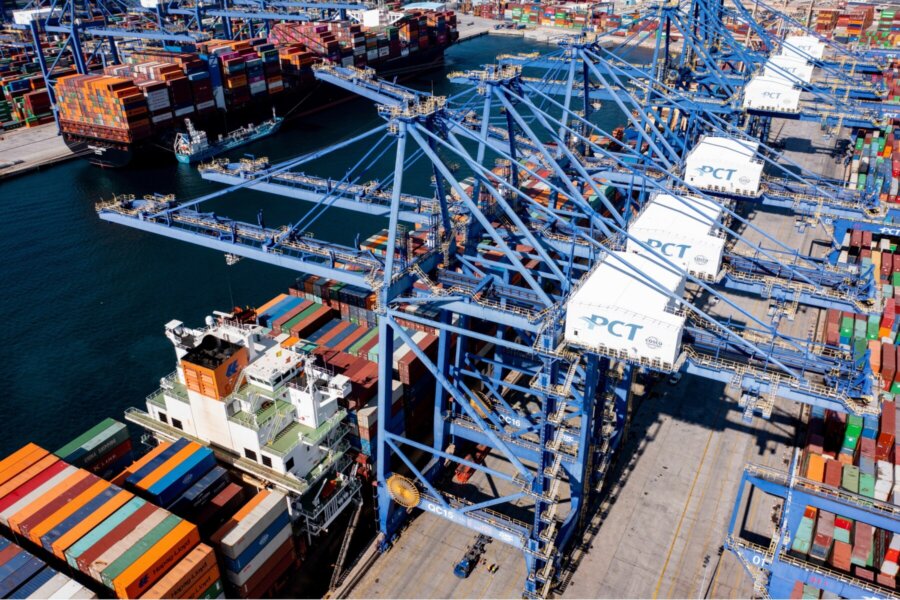
PCT S.A.: Νέες υποτροφίες για τη στήριξη νέων των Δήμων Περάματος και Κερατσινίου-Δραπετσώνας
Η PCT S.A. (Σταθμός Εμπορευματοκιβωτίων Πειραιά Α.Ε.), θυγατρική της COSCO SHIPPING Ports Ltd, προκηρύσσει για τρίτη συνεχή χρονιά το Πρόγραμμα Υποτροφιών, συνολικού ύψους 20.000…
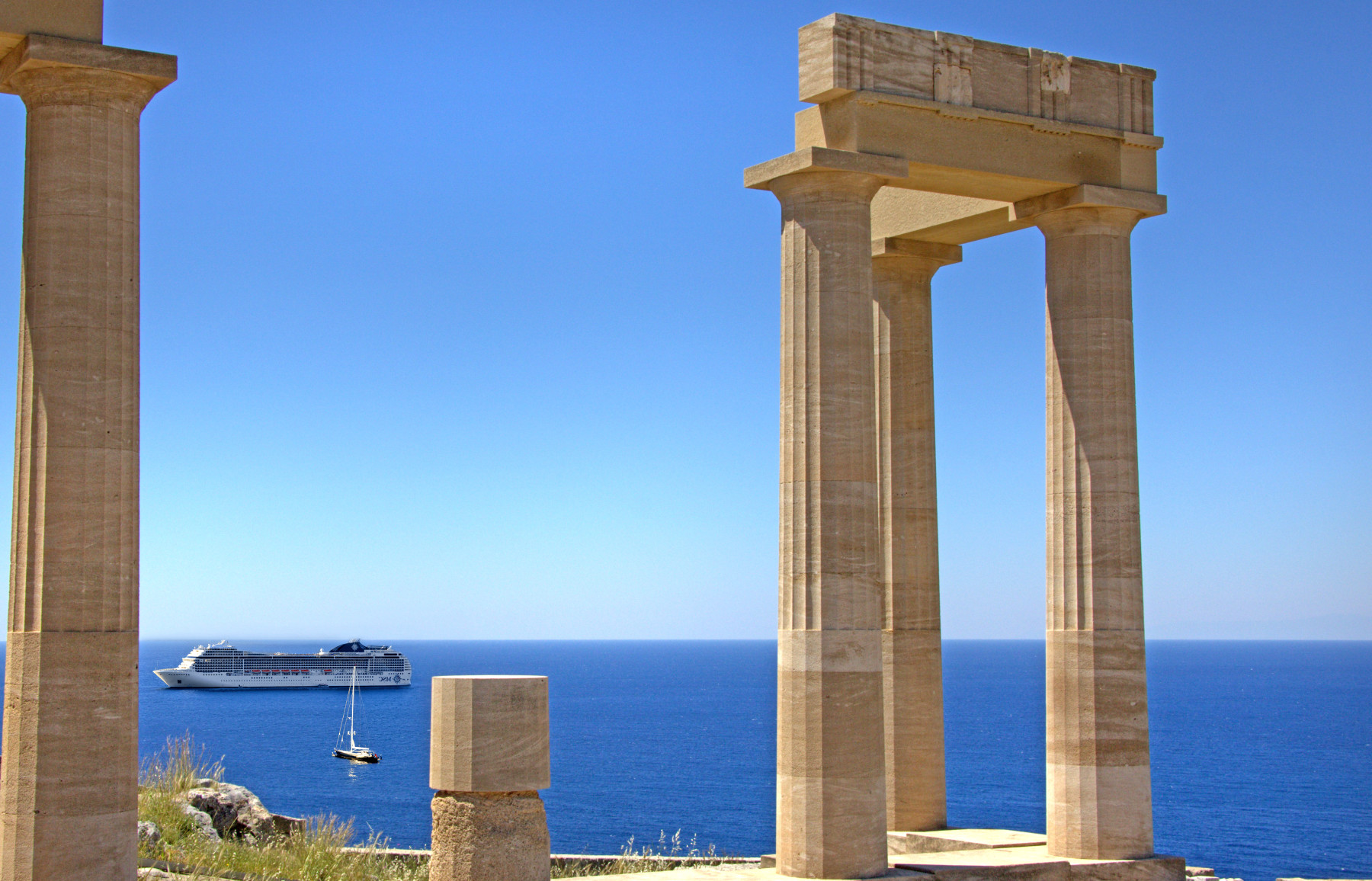
Ο εντυπωσιακός αριθμός τουριστών το επτάμηνο Ιανουαρίου-Ιουλίου 2026
Ξεπέρασε τα 20 εκατομμύρια ο αριθμός των τουριστών που επισκέφθηκε τη χώρα μας στο επτάμηνο Ιανουαρίου – Ιουλίου 2026, καταγράφοντας αύξηση κατά 8,6% σε…
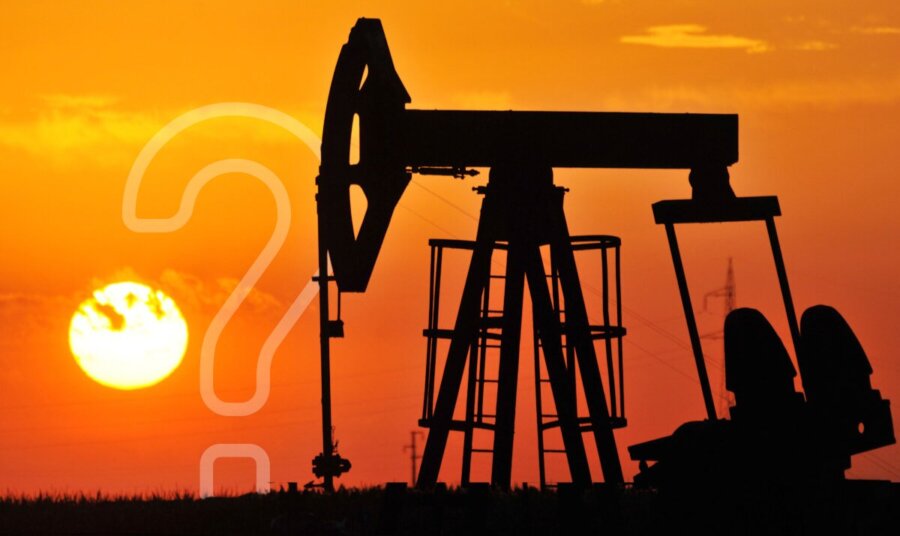
Μέχρι 2027… «και βλέπουμε» η ανάκαμψη της αγοράς πετρελαίου
Η ‒άνευ προηγουμένου‒ πετρελαϊκή κρίση, που πλήττει την παγκόσμια αγορά ενέργειας σήμερα, ενδέχεται να έχει προκαλέσει ελλείψεις σε ντίζελ, που θα διαρκέσουν για αρκετούς…
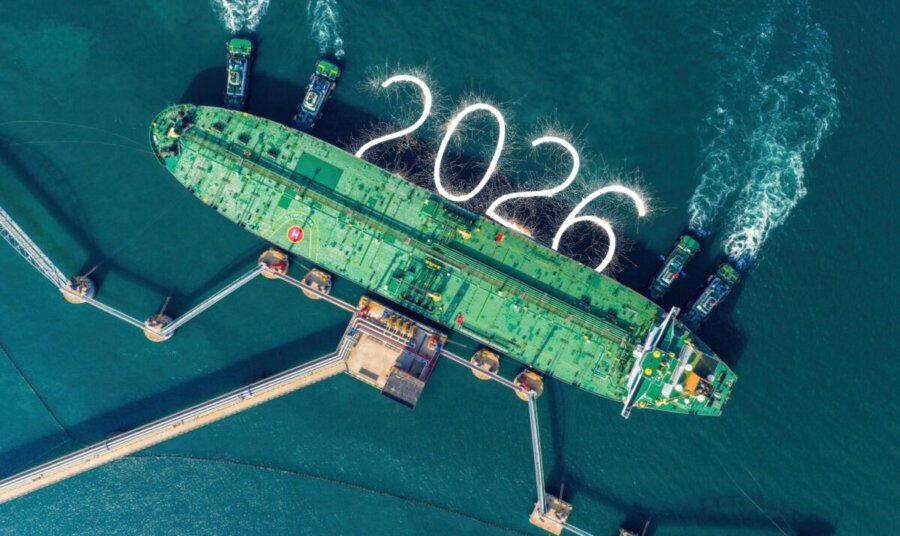
Οι παραγγελίες για VLCC σπάνε τα κοντέρ
Τις ευκαιρίες που αναδύονται για τη θαλάσσια μεταφορά αργού πετρελαίου σπεύδουν να εκμεταλλευτούν οι πλοιοκτήτες ανά τον κόσμο, προχωρώντας σε μαζικές παραγγελίες για VLCC.…
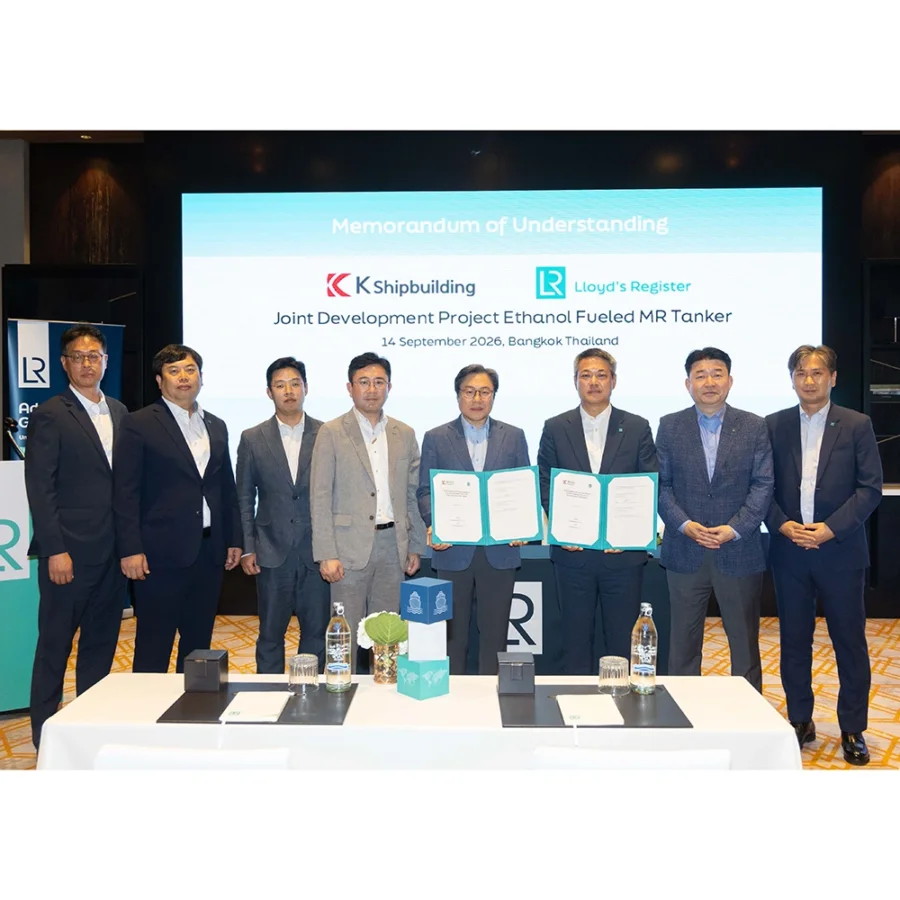
K Shipbuilding και LR: Κοινό βήμα για τον σχεδιασμό δεξαμενόπλοιου κατανάλωσης αιθανόλης
Η αιθανόλη εξετάζεται ως εναλλακτικό καύσιμο για δεξαμενόπλοια κατηγορίας MR, με την K Shipbuilding και τον Lloyd’s Register (LR) να αναπτύσσουν από κοινού νέο…
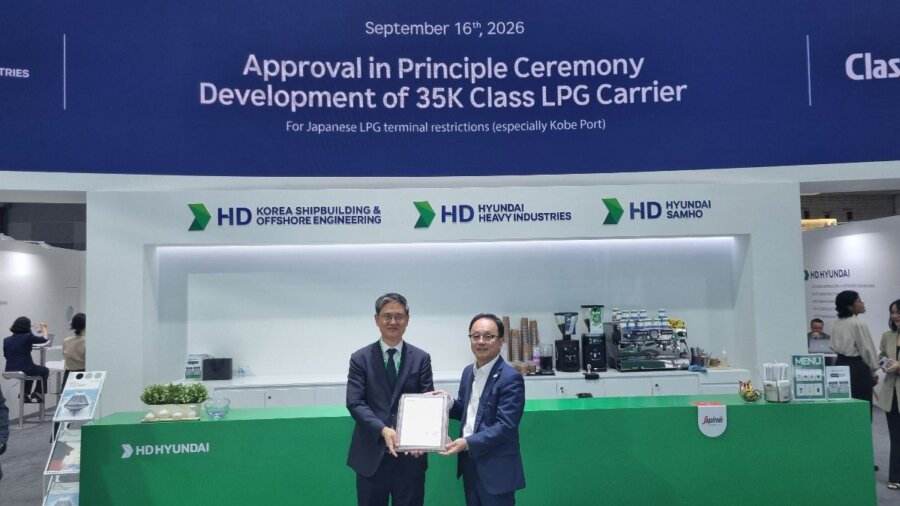
«Πράσινο φως» για το νέο LPG/Ammonia Carrier της Hyundai Heavy Industries
Η αυξανόμενη ανάγκη για θαλάσσια μεταφορά αμμωνίας δημιουργεί νέες απαιτήσεις για πλοία που μπορούν να εξυπηρετούν με ασφάλεια διαφορετικά λιμάνια και εγκαταστάσεις φόρτωσης. Η…
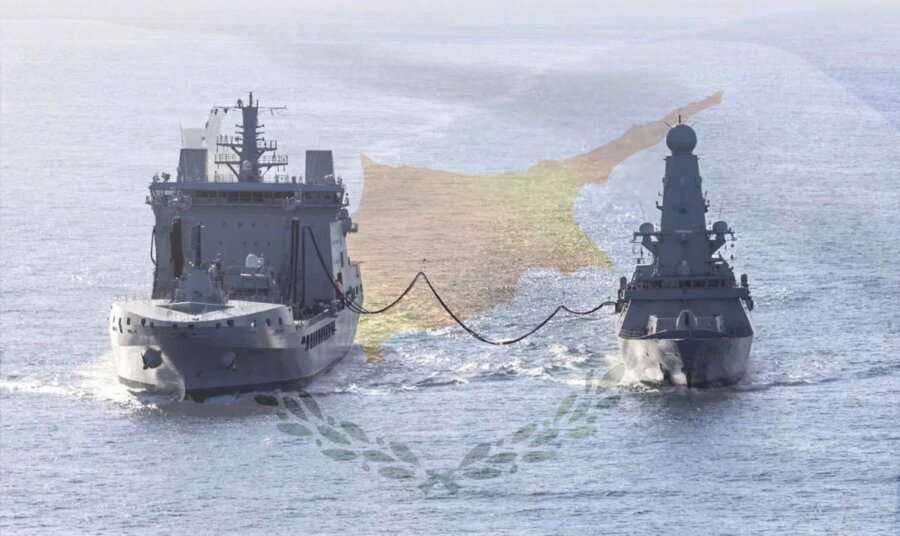
Από τo Ακρωτήρι στην Κύπρο η στρατιωτική υποστήριξη του Λονδίνου προς τη Σ. Αραβία
Η βρετανική βάση Ακρωτηρίου στην Κύπρο αποκτά εκ νέου κεντρικό επιχειρησιακό ρόλο στις εξελίξεις στη Μέση Ανατολή. Σύντομα από εκεί θα επιχειρεί αεροσκάφος εναέριου…