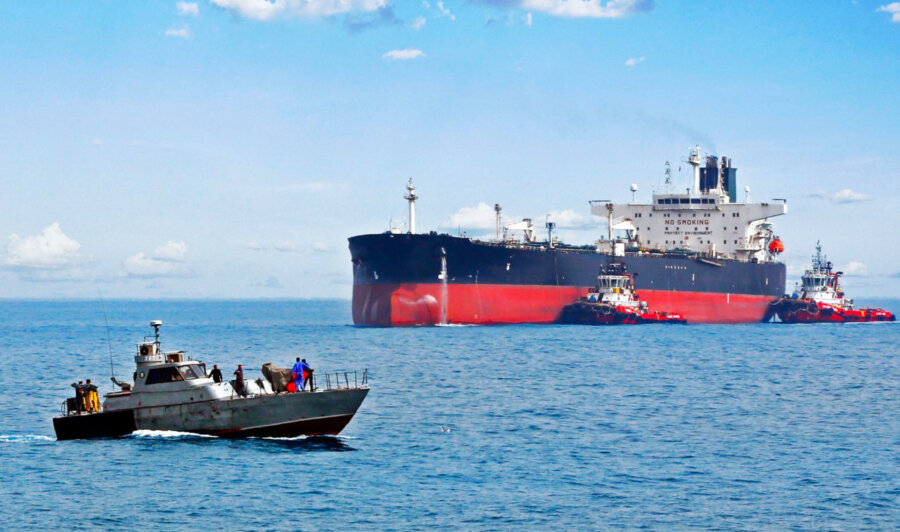
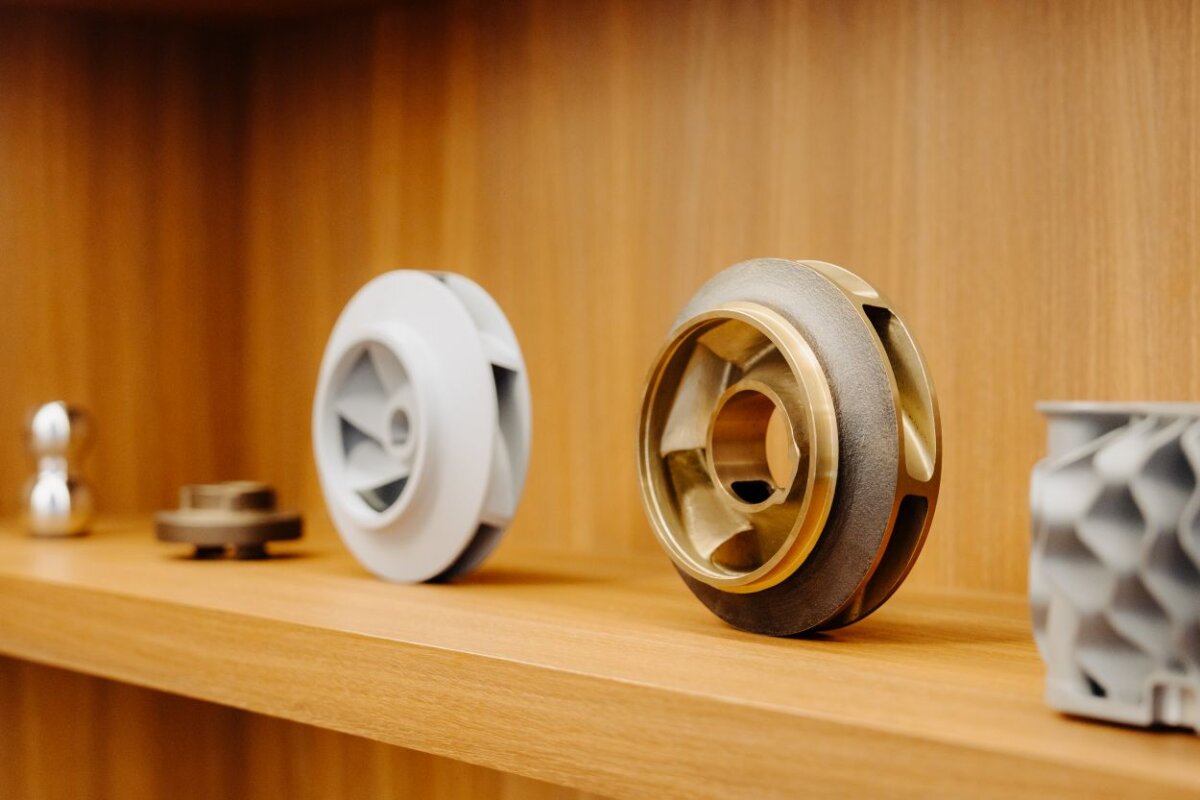
Maritime and offshore original equipment makers/manufactures are reevaluating their ‘make or buy’ decisions, as additive manufacturing establishes the case for controlling not only the cost and quality of parts, but also their delivery lead times, says Scott Harding, VP Engineering, Pelagus 3D.
Cost has always been the starting point for equipment suppliers in the ‘make-or-buy’ debate where parts are concerned, and the maritime and offshore sectors are no exceptions.
While quality control, intellectual property, and engineering authority are crucial, OEMs and Genuine Makers first need to know whether there is a margin that justifies the effort and overheads of production.
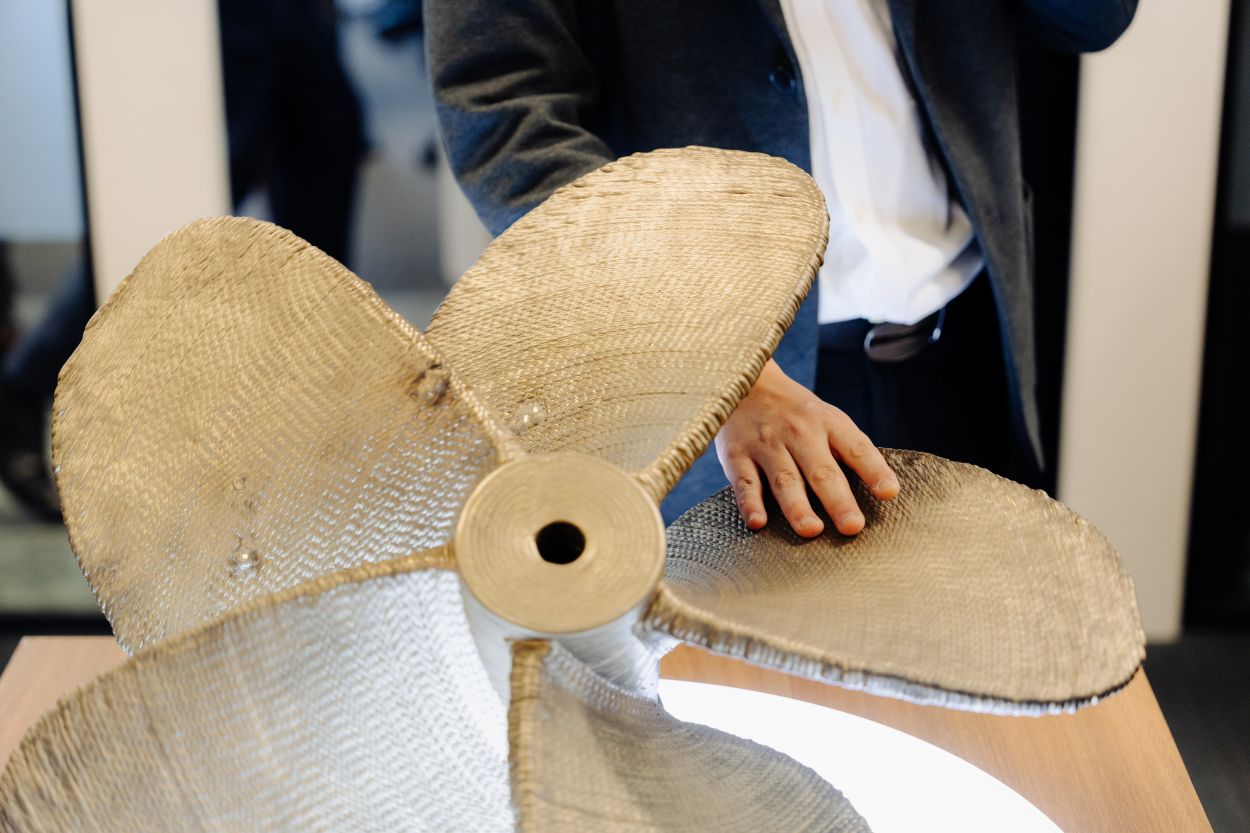
For buyers, lead time is also critical. Here, the global nature of the shipping and offshore industries, and the need to deliver parts to coincide with vessel locations create a separate force for action. If an OEM cannot deliver within a timeframe required by the operator, the operator will find another route. In urgent situations, that route may bypass approved channels entirely. In that moment, the make-or-buy discussion stops being theoretical. It becomes a commercial risk.
OEMs across multiple global industries are revisiting manufacturing strategies because traditional service models are not keeping pace. Increasingly, a compelling case is being built for additive manufacturing as a production option.
Even in regulated industries, additive manufacturing has moved beyond experimentation. Research from McKinsey recognises changing expectations from buyers in many global sectors, the opportunities additive manufacturing provides, and its adoption for production rather than prototyping.
For OEMs in the marine and offshore space, the question is no longer whether additive manufacturing works, but whether its capabilities are best realized internally or accessed externally under controlled conditions.
Source of the issue
Owning additive manufacturing capability is not simply a machine purchase. It is an operating model decision.
Industrial systems can range from entry-level platforms to multi-million-dollar investments, where the cost of operations, material management, inspection, documentation and training also need to be factored in.
In the shipping and offshore industries, production plant utilization becomes decisive because the demand for parts portfolios is often irregular. Even when in-house systems are used, finishing or post-processing stages may require external partners. If demand fluctuates, expensive assets can sit idle. While manufacturers in other sectors have addressed this by manufacturing parts from third parties, this may not align with an OEM’s core business.
Internal ownership can make strategic sense, particularly where demand concentration is sufficient and engineering integration is critical. But it requires volume discipline and long-term commitment. Outsourcing, on the other hand, reduces capital exposure and provides access to mature process expertise. It also offers flexibility in the face of irregular demand and avoids the burden of in-house capability.
However, an OEM’s responsibility does not transfer with the purchase order. In regulated industries, the OEM remains accountable for qualification, traceability, compliance, and performance regardless of who manufactures the part.
This is where hesitation often arises. Generic service bureaus and online marketplaces, for example, will offer speed but not the governance to align with OEM requirements. When IP protection, data control, and process validation are not structured correctly, the perceived loss of control becomes a barrier to adoption.
In these circumstances, the make-or-buy decision shifts from one focusing on “Who can produce the part?” to “How can we access capability without compromising authority?”
From binary choice to structured model
With internal investment too capital-intensive and slow to scale, and generic outsourcing insufficiently controlled, the ‘missing piece’ is a model combining external production flexibility with OEM-grade oversight.
The objective is not to replace internal capability, but to support specific categories of parts where internal production is difficult to justify – particularly low-volume, non-stocked, or time-critical components.
This is the precise tension which Pelagus seeks to ease for OEMs in the maritime and offshore sectors. Backed by established industrial groups, thyssenkrupp and Wilhelmsen, the company was built around the assumption that OEMs would require a controlled pathway into additive manufacturing which addressed lead-time pressures without compromising classification, traceability, or intellectual property safeguards.
The make-or-buy discussion is often framed as a technology debate. In practice, it is increasingly about defending aftermarket control. When genuine parts cannot be supplied within acceptable lead times, operators look elsewhere. Faster, governed production therefore also becomes a commercial safeguard.
A maturing landscape
Additive manufacturing is unlikely to eliminate traditional production methods. Instead, it introduces new flexibility and forces a wider scope evaluation.
For maritime and energy OEMs, the future is likely to be hybrid. Where scale and integration justify it, internal solutions will prevail, but controlled external capabilities increasingly offer opportunities to satisfy irregular demand patterns.
Digital inventory frameworks that preserve design authority while enabling distributed, qualified production are emerging as one viable solution. Pelagus was founded around this premise: that additive manufacturing can support shorter lead times without OEMs risking IP control or governance standards.
Structured partners that combine governance, IP protection, and qualified production networks are now part of the broader operating model. Treating additive manufacturing as a strategic allocation decision, not simply a capital investment, allows OEMs to strengthen resilience while maintaining control over their aftermarket obligations.

Αποκαλυπτήρια για το άγαλμα του Αριστοτέλη Ωνάση στο Ελληνικό
Ο ανδριάντας του Αριστοτέλη Ωνάση κοσμεί από σήμερα την Πλατεία Ολυμπιακής Αεροπορίας στο Ελληνικό, δίπλα στο ιστορικό Boeing 727 «Mount Olympus». Την οργάνωση της…
Παραγγελία της Hafnia για οκτώ MR tankers
Την ενίσχυση του στόλου της με οκτώ νεότευκτα MR επισημοποίησε η Hafnia Limited. Η εταιρεία τοποθέτησε την παραγγελία στη Hyundai Heavy Industries, με το…
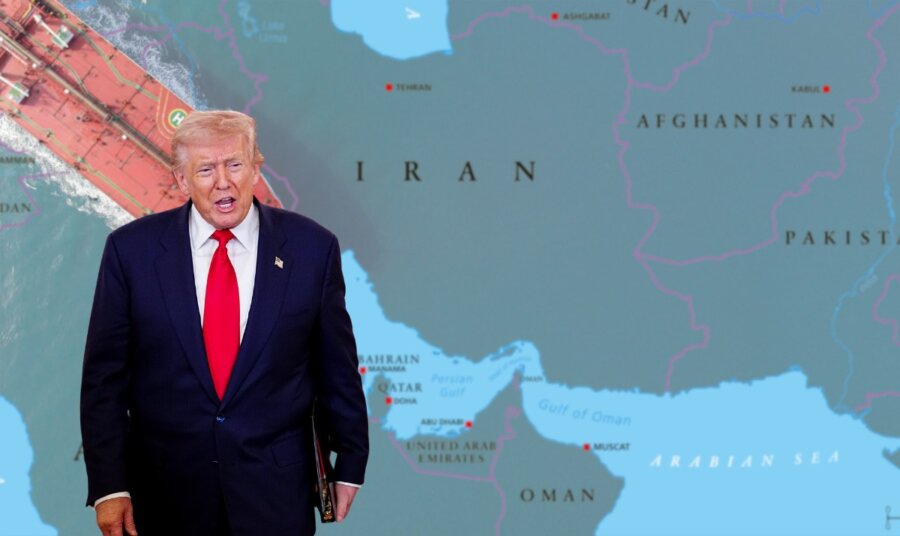
Αντίστροφη μέτρηση για το τελεσίγραφο Τραμπ στην Τεχεράνη
Ο πρόεδρος των ΗΠΑ Ντόναλντ Τραμπ έδωσε σήμερα τελεσίγραφο 48 ωρών στο Ιράν για να καταλήξει σε μια συμφωνία ή να ξανανοίξουν τα Στενά…

Ρωσία: Στις φλόγες το τέταρτο μεγαλύτερο διυλιστήριο της χώρας
Πυρκαγιά ξέσπασε στο διυλιστήριο NORSI της Ρωσίας, το τέταρτο μεγαλύτερο της χώρας, έπειτα από επίθεση με drones, δήλωσε ο κυβερνήτης της περιφέρειας Νίζνι Νόβγκοροντ,…
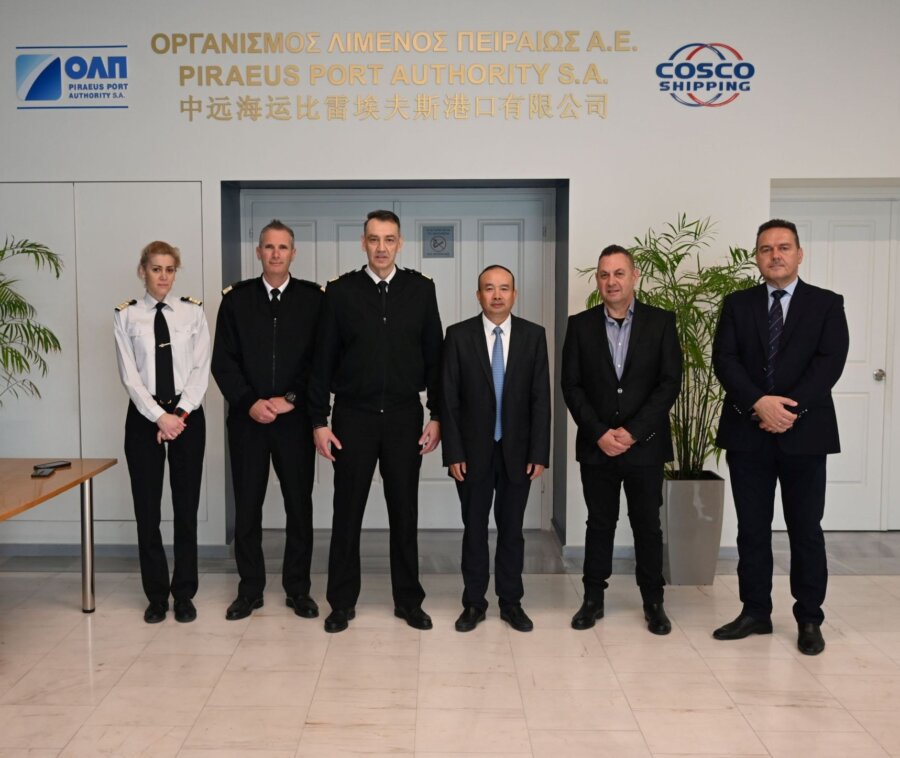
ΟΛΠ A.E.: Δωρεά επτά φορητών απινιδωτών στο Λιμενικό Σώμα – Ελληνική Ακτοφυλακή
Στην ενίσχυση του εξοπλισμού πρώτων βοηθειών του Λιμενικού Σώματος – Ελληνικής Ακτοφυλακής προχώρησε ο Οργανισμός Λιμένος Πειραιώς (ΟΛΠ Α.Ε.), στο πλαίσιο της διαρκούς συμβολής…

NASA: Οι πρώτες καθηλωτικές φωτογραφίες της Γης από την αποστολή Artemis II
Η NASA δημοσιοποίησε τις πρώτες φωτογραφίες από το εσωτερικό του διαστημικού σκάφους Orion. Ο διοικητής Ριντ Γουάισμαν κατέγραψε τη Γη μέσα από το παράθυρο…
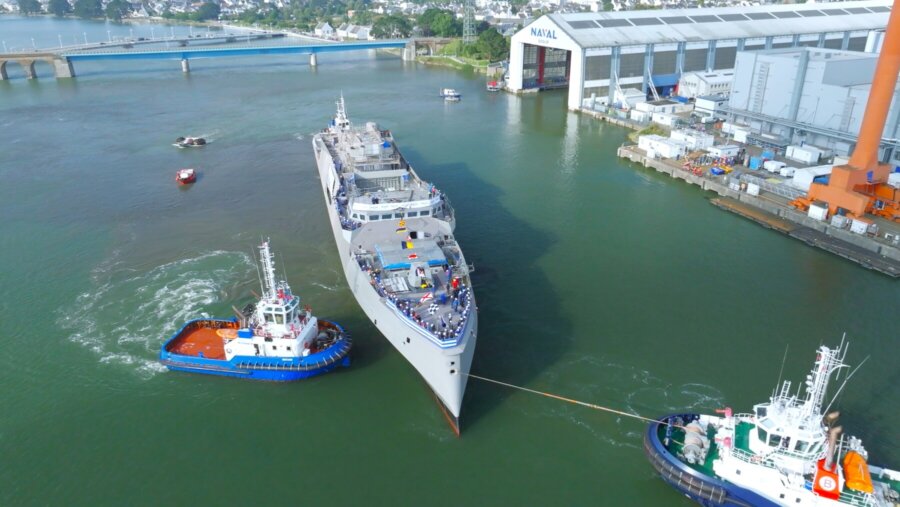
Νέα σελίδα για την αμυντική βιομηχανία της Ελλάδας
Σε φάση εντατικοποίησης των επενδύσεων και διεύρυνσης των διεθνών συνεργασιών εισέρχεται η ελληνική αμυντική βιομηχανία, με τις εγχώριες επιχειρήσεις να επιδιώκουν αυξημένη συμμετοχή σε…
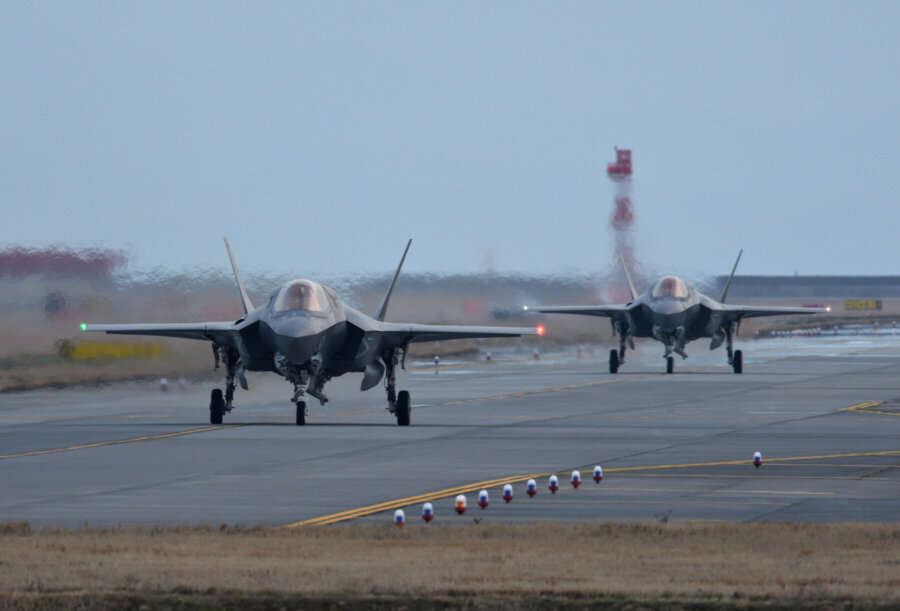
Ιράν: Κατάρριψη δύο αμερικανικών μαχητικών αεροσκαφών
Δύο αμερικανικά μαχητικά αεροσκάφη καταρρίφθηκαν πάνω από το Ιράν και τον Κόλπο, δήλωσαν χθες Παρασκευή Αμερικανοί και Ιρανοί αξιωματούχοι, με τους δύο πιλότους να…